
Baby Name Popularity Over Time: How Name Trends Rise and Fall
Every name has a story — and part of that story is timing. The name that sounds fresh and modern today may have been everywhere a century ago, and the name that feels hopelessly old-fashioned now might be the next big thing. Baby-name popularity moves in waves, and understanding those waves can help you choose a name you’ll love for decades, not just for a season.
The 100-Year Rule: Everything Comes Back
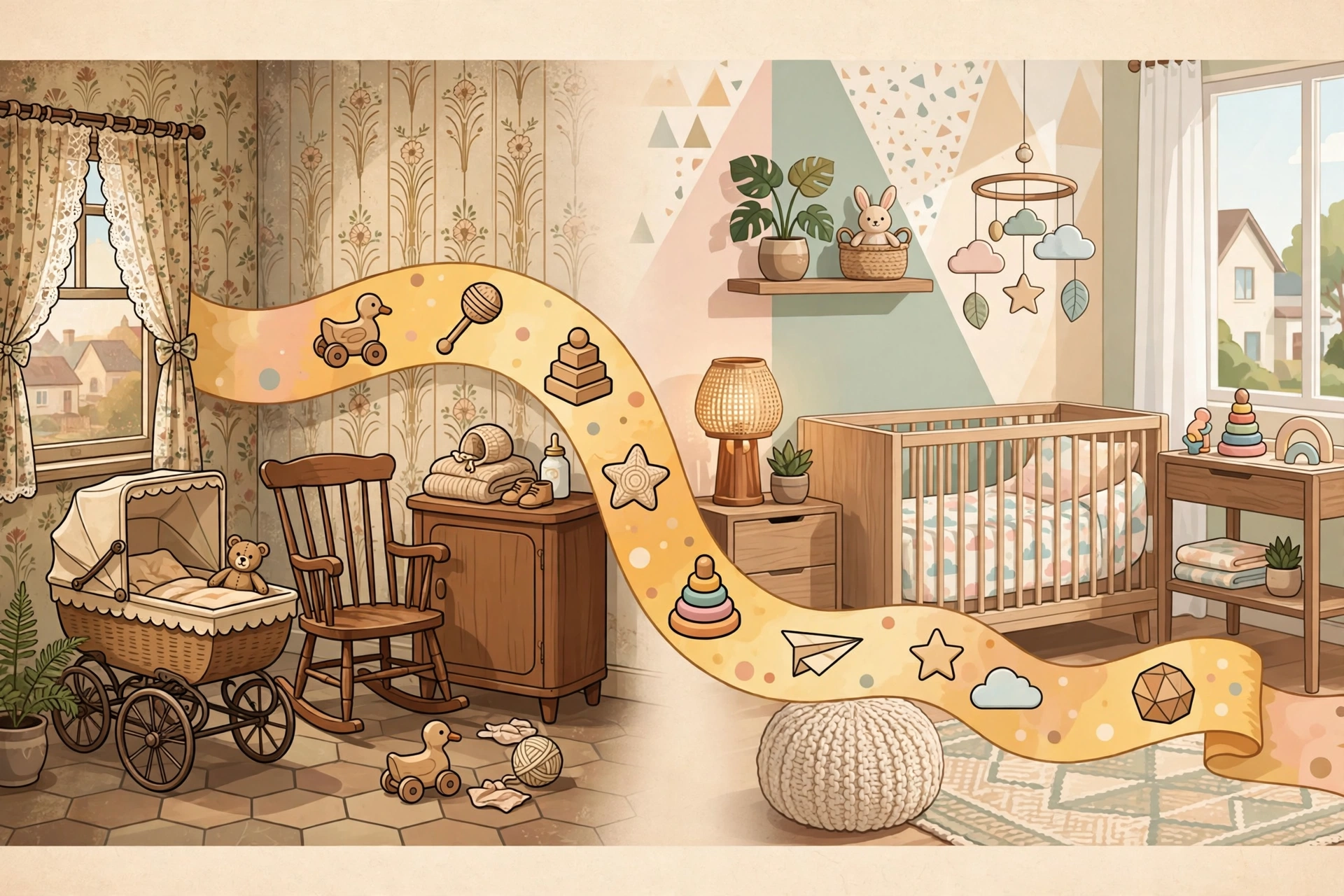
Name researchers have long noticed a curious pattern: names tend to cycle back into fashion roughly every hundred years. The logic is simple and rather sweet. Parents rarely name their children after their own generation — those names feel too familiar, too “mom and dad.” But the names of great-grandparents? Those feel charmingly vintage, distant enough to be fresh again.
Think of names like Evelyn and Henry. For much of the 20th century, they sounded like names from another era — the era of sepia photographs and handwritten letters. In recent years, both have come roaring back, chosen by modern parents who love their classic, elegant feel. What was once “old” became “timeless.”
This is why today’s grandparent names are often tomorrow’s baby names. If you want to guess what will be popular in twenty years, look at what’s popular among people in their eighties and nineties today.
Pop Culture Moves Names
Few forces shape naming trends like the stories we love. When a book, film, or television series captures the public imagination, the names of its most beloved characters often follow it into nurseries.
This has always been true, but the effect has grown stronger in the age of global entertainment. A hit fantasy series can introduce millions of viewers to a name they’d never heard before, and within a few years that name starts appearing on birth announcements. The mechanism is simple: we associate the name with a character we admire, and admiration is a powerful reason to choose a name.
The effect works in reverse, too. When a name becomes strongly tied to a single famous villain or an unpopular public figure, parents tend to steer clear of it for a while. Names carry associations, and pop culture writes those associations large.
Royal and Celebrity Influence
Royal families have influenced naming for centuries. When a royal baby is born, the chosen name is announced to the world, discussed endlessly, and admired by millions. It’s no surprise that classic, regal names often enjoy a bump in popularity after a high-profile royal birth.
Celebrities have a similar, if less predictable, effect. A star who gives their child an unusual name can spark a mini-trend overnight — though unusual celebrity baby names don’t always translate into widespread use. What celebrities do most reliably is make certain styles of names feel fashionable: nature names, surname-names, vintage revivals. Parents may not copy the exact name, but they absorb the vibe.
Why Old-Fashioned Names Come Back
There’s something deeper than fashion driving the vintage revival. Old names carry a sense of substance. In a fast-moving world, a name like Henry or Evelyn feels anchored — it suggests history, character, and permanence.
There’s also the distinctiveness factor. When classrooms are full of the same handful of trendy names, parents start looking backward for something different. A “grandma name” or “grandpa name” stands out precisely because nobody else is using it — until, of course, everyone is.
And let’s not forget sound. Many vintage names simply sound beautiful: soft consonants, flowing vowels, a rhythm that feels both dignified and warm. Fashion may bring them back into the spotlight, but it’s their sound that keeps them there.
The Other Side: Why Trendy Names Fade
Just as old names return, ultra-trendy names tend to date quickly. A name that shoots up in popularity because it feels fresh and modern can, a decade later, feel unmistakably tied to its era — the way certain names instantly say “the seventies” or “the nineties.”
This doesn’t make trendy names bad choices. If you love a name, love it. But it’s worth knowing the pattern: names that rise slowly, over generations, tend to fall slowly too. Names that spike suddenly often fade just as fast. The safest long-term bets are usually the classics that have never fully left — names with centuries of steady use behind them.
In recent years, we’ve seen this play out with names like Oliver and Amelia. Both are deeply traditional names with long histories, and both have enjoyed a remarkable surge in the US and UK — proof that the line between “classic” and “trendy” is thinner than it looks. Today’s revival is tomorrow’s tradition.
Choosing a Name That Lasts
So how do you use all of this when choosing a name? A few gentle guidelines:
Love the name itself, not just its moment. Ask yourself: would I still love this name if it weren’t popular right now? If the answer is yes, it’s a keeper.
Consider the full lifespan. A name has to work for a baby, a teenager, a professional, and a grandparent. Classics like Henry and Evelyn pass this test effortlessly.
Check your associations. Think about what the name brings to mind — and whether those associations are likely to last. A name tied to a passing fad may feel dated sooner than one tied to nothing in particular.
Embrace the cycle. There’s no shame in choosing a fashionable name, and there’s no extra virtue in choosing an unfashionable one. The goal is simply a name that feels right to you, with open eyes about how tastes change.
The Beauty of the Cycle
Perhaps the loveliest thing about name trends is what they reveal: every generation reaches back to honor the ones before it. When a young couple names their daughter Evelyn after a great-grandmother they never met, they’re weaving their family’s story forward. Names are how we carry the past into the future.
So whether you choose a rising star like Amelia, a sturdy revival like Henry, or something entirely unexpected, know that you’re part of a centuries-old rhythm — the quiet, endless dance of names through time.
Looking for the perfect name? Browse our name lists for hundreds of ideas, from timeless classics to fresh modern favorites — each with meanings and origins to help you find the one.
Frequently Asked Questions
Why do baby name trends rise and fall?
Names move in waves driven by culture, celebrities, and generational memory. A name feels fresh until it becomes overused, then fades — and often returns about a century later when it sounds vintage rather than dated.
What is the 100-year rule for baby names?
Researchers have noticed names tend to cycle back into fashion roughly every hundred years. Parents rarely name babies after their own parents' generation, but their grandparents' names feel charming and classic again.
How can popularity trends help me choose a name?
Checking a name's historical curve shows whether it is climbing fast (risk of dating), steady (timeless), or rebounding (vintage-chic). Choosing with the long view helps you pick a name you will love for decades.
Are trendy names a bad choice?
Not necessarily — a name you love is never wrong. But very spiky trends can date a child to a specific era, while names with a long, gentle history tend to age more gracefully.

Morgan is a horse naming enthusiast and equestrian content writer with a passion for helping horse owners find the perfect names for their equine companions. From classic and elegant names to unique, Western, funny, and breed-specific ideas, Morgan creates well-researched, easy-to-browse name collections designed to inspire every horse lover. The goal is to make choosing the right horse name simple, enjoyable, and memorable.